Kubernetes cluster architecture
Leverage this Kubernetes cluster architecture diagram example to conceptualize and optimize your own cloud-native infrastructure.
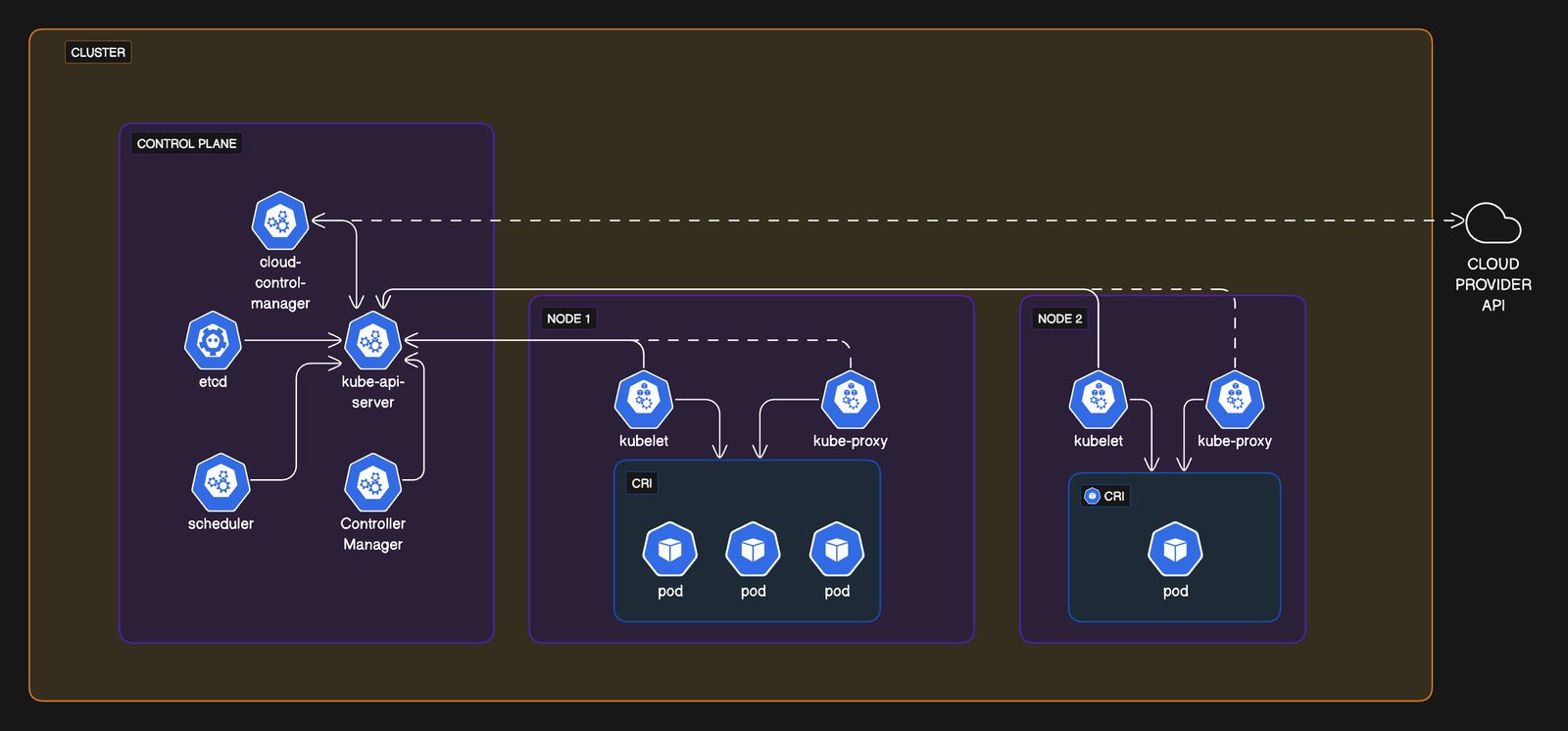
 Kubernetes Architecture
  Architecture Diagrams
  Cloud Architecture Diagram
  Kubernetes
 About this example
Kubernetes clusters are the foundation of modern, scalable application deployment. This diagram demonstrates:
- Control Plane Components: The central management tools including the API server, scheduler, controller manager, and etcd.
- Node Structure: The workings inside a node showing kubelet and kube-proxy and their interaction with containers.
- Cloud Integration: Interaction between the cluster’s control plane and the cloud provider API for resource management.
- Pod Management: How pods are managed on each node, showcasing the Container Runtime Interface (CRI) and actual pod instances.
When to use
- Infrastructure Design: When architecting the infrastructure for containerized applications, ensuring best practices in cluster setup.
- Training Purposes: To train new engineers on the components and interactions within a Kubernetes cluster.
- Cloud Transition: For teams transitioning from traditional hosting to cloud-native services, providing a clear structure of Kubernetes on a cloud provider.
How to use
- Start editing: Duplicate the example file and double-click on the diagram.
- Customize diagram: Add/modify nodes, groups, and relationships using a diagram-as-code syntax, customizing the architecture to suit your deployment needs.
- Customize layout: Adjust the placement and size of elements on the diagram for better readability and flow.
- Collect feedback: Share the diagram with your team and stakeholders to gather feedback and achieve a collaborative final design.
Related Examples
View all examples →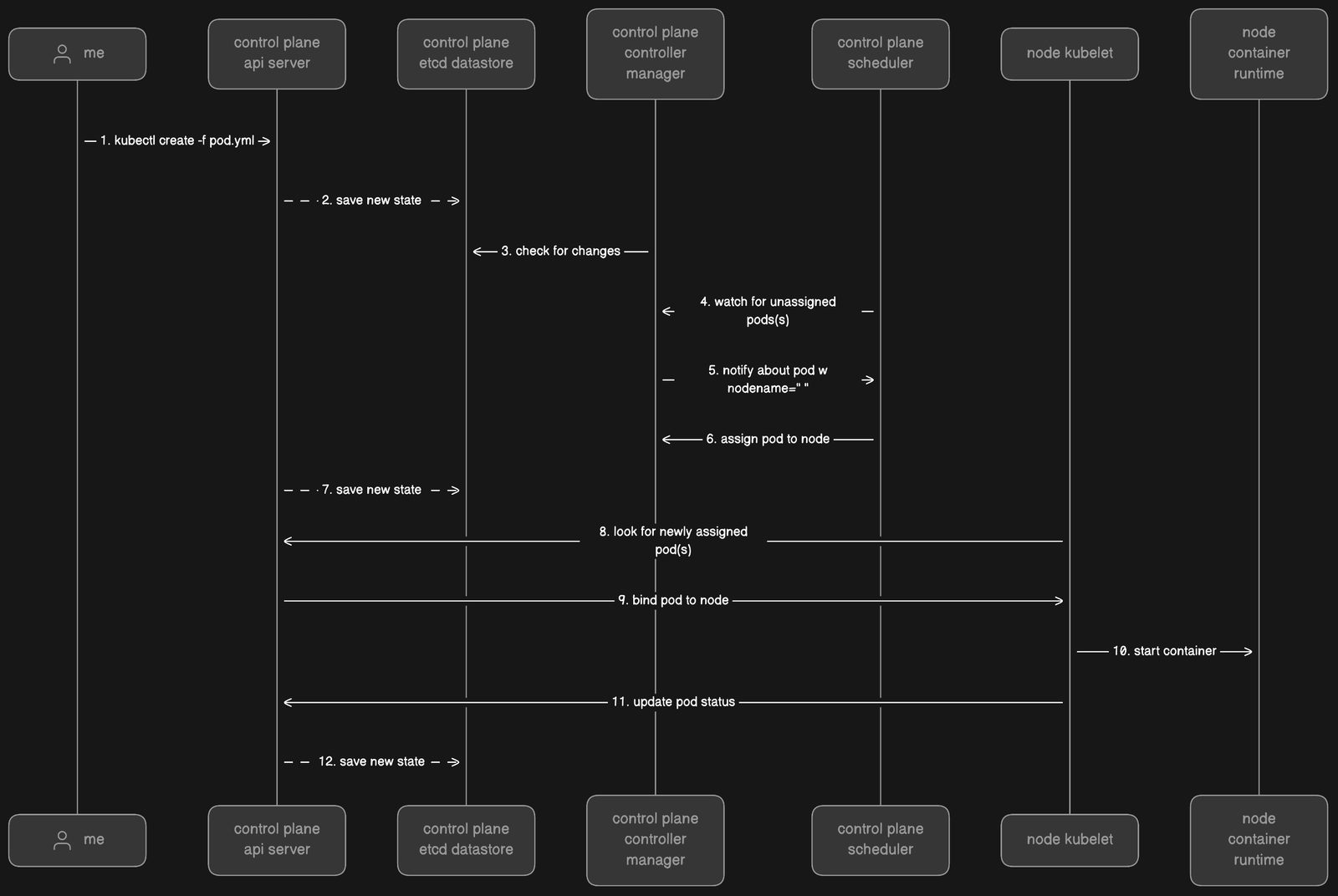
Kubernetes container start flow
Harness this Kubernetes container start flow diagram example to conceptualize and customize your container orchestration process.
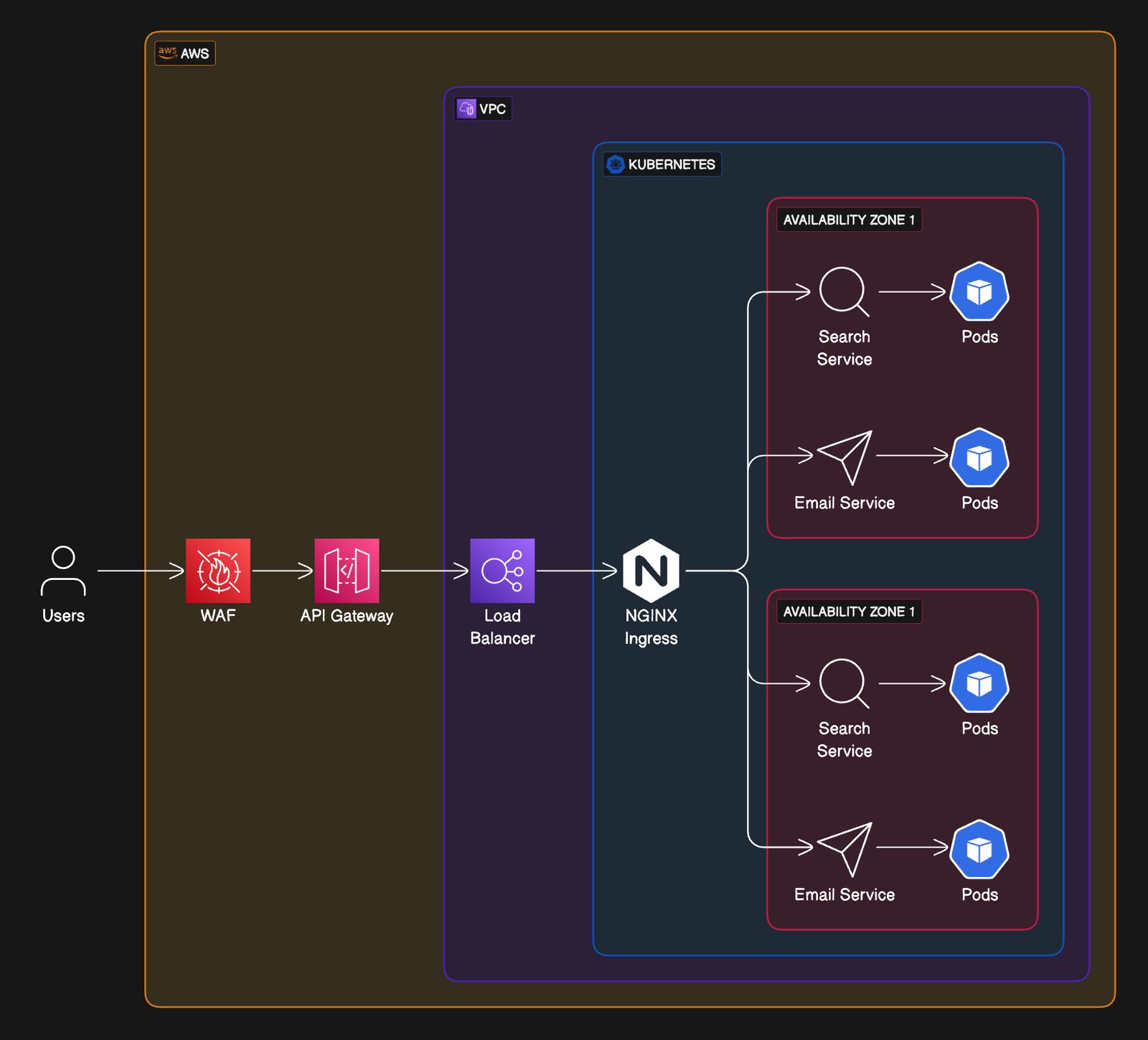
Kubernetes on AWS
Visualize the integration of Kubernetes with AWS to enhance your cloud infrastructure using this detailed example.
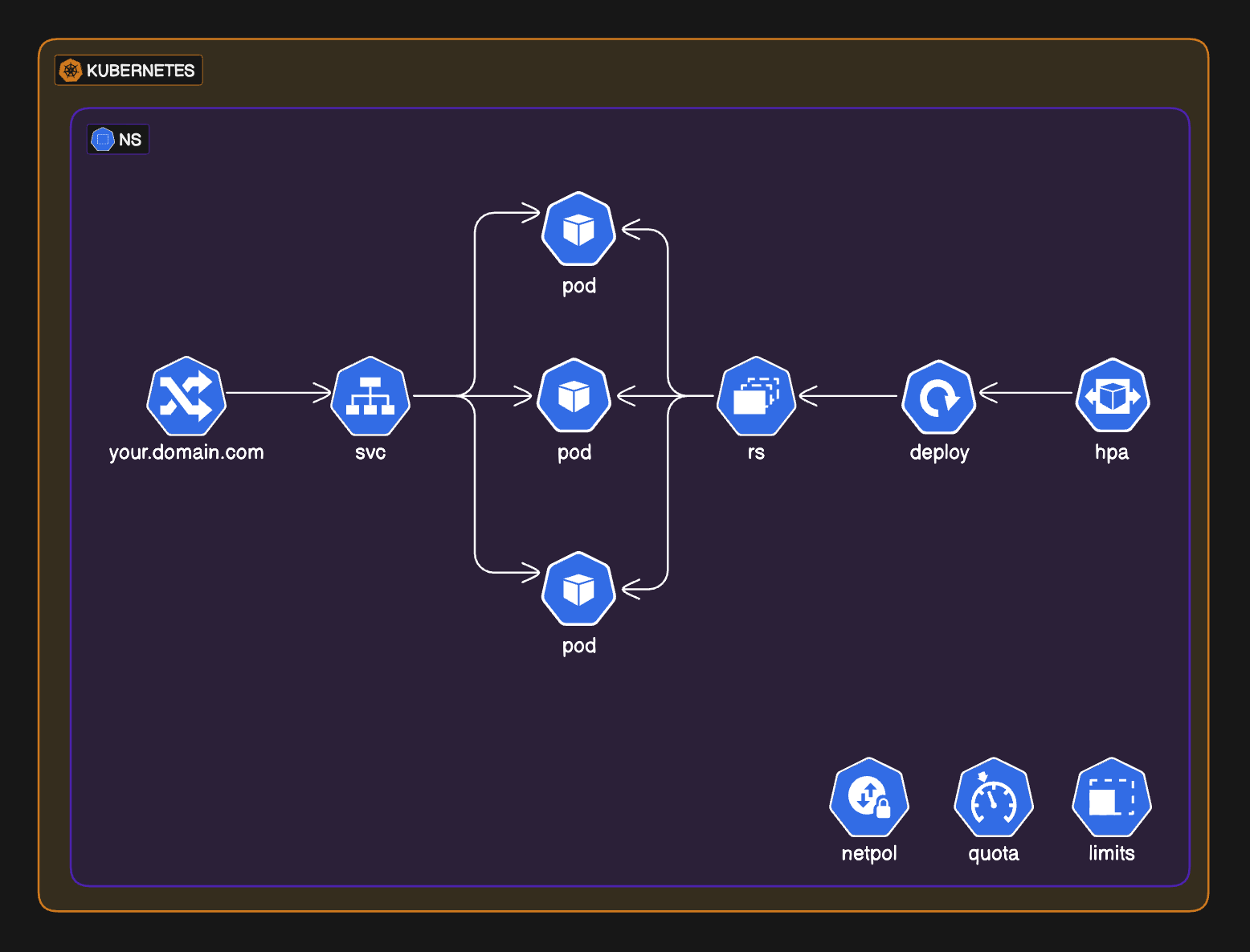
Kubernetes exposed pods with replicas
Visualize the deployment and scaling of containerized applications with this Kubernetes pods and replicas diagram example.
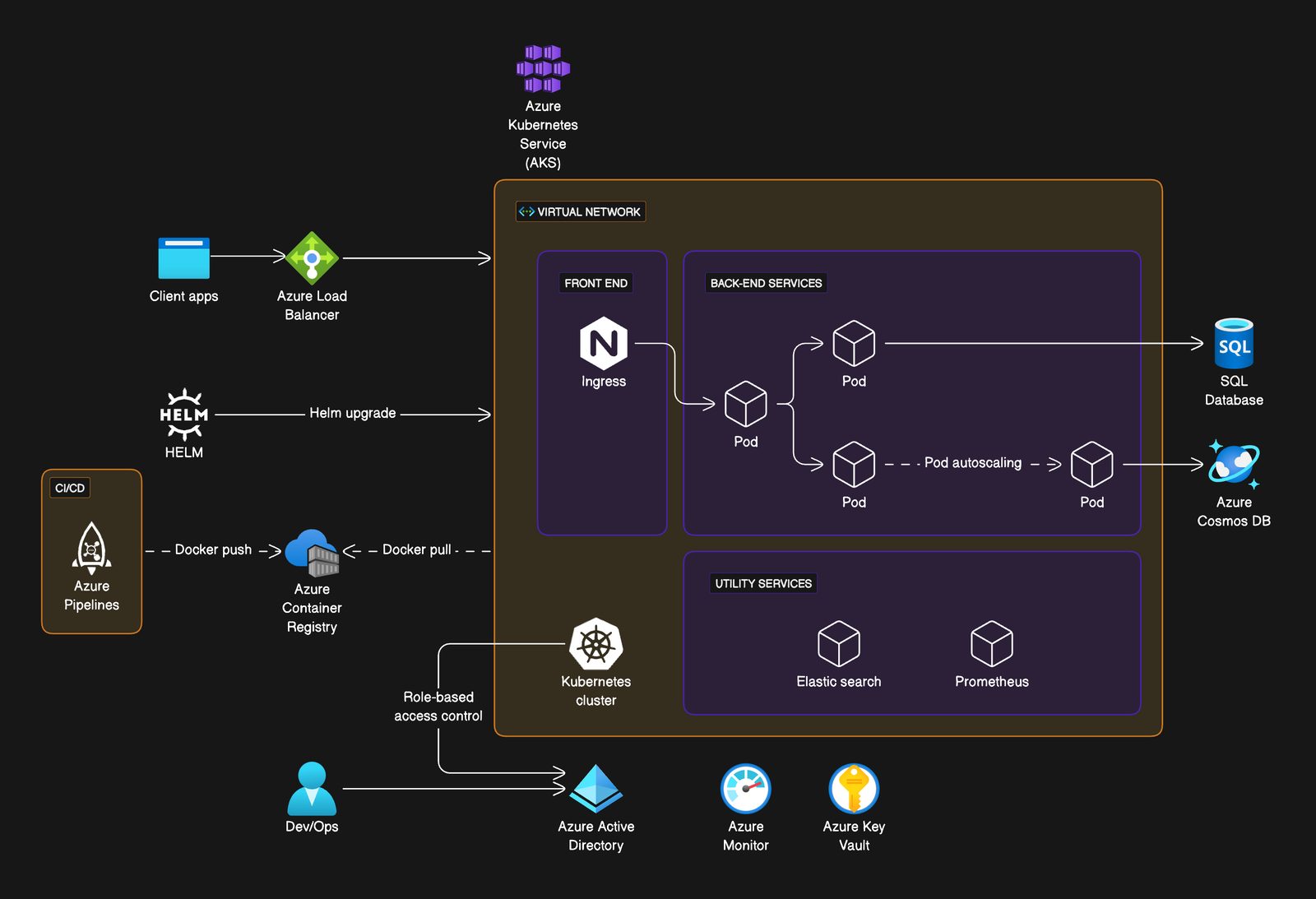
Microservice on Azure Kubernetes Service (AKS)
Visualize a robust and scalable microservices architecture using the Azure Kubernetes Service example.
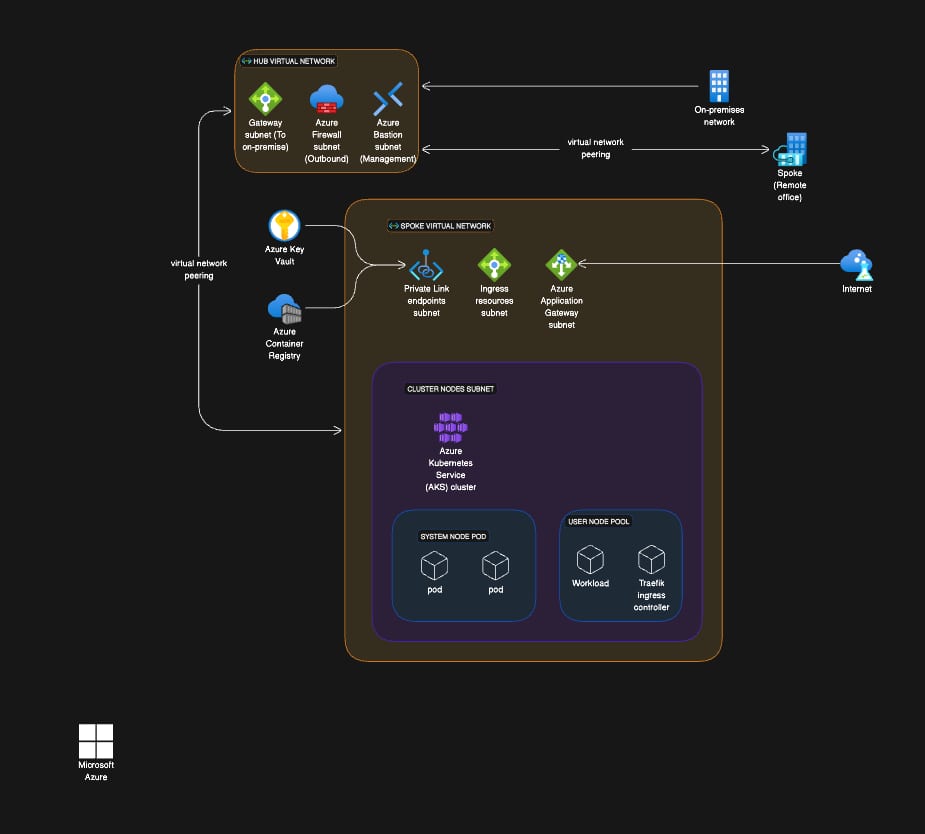
Baseline architecture for Azure Kubernetes Service (AKS)
Visualize the foundation of a secure, scalable Kubernetes environment with the AKS baseline architecture example.
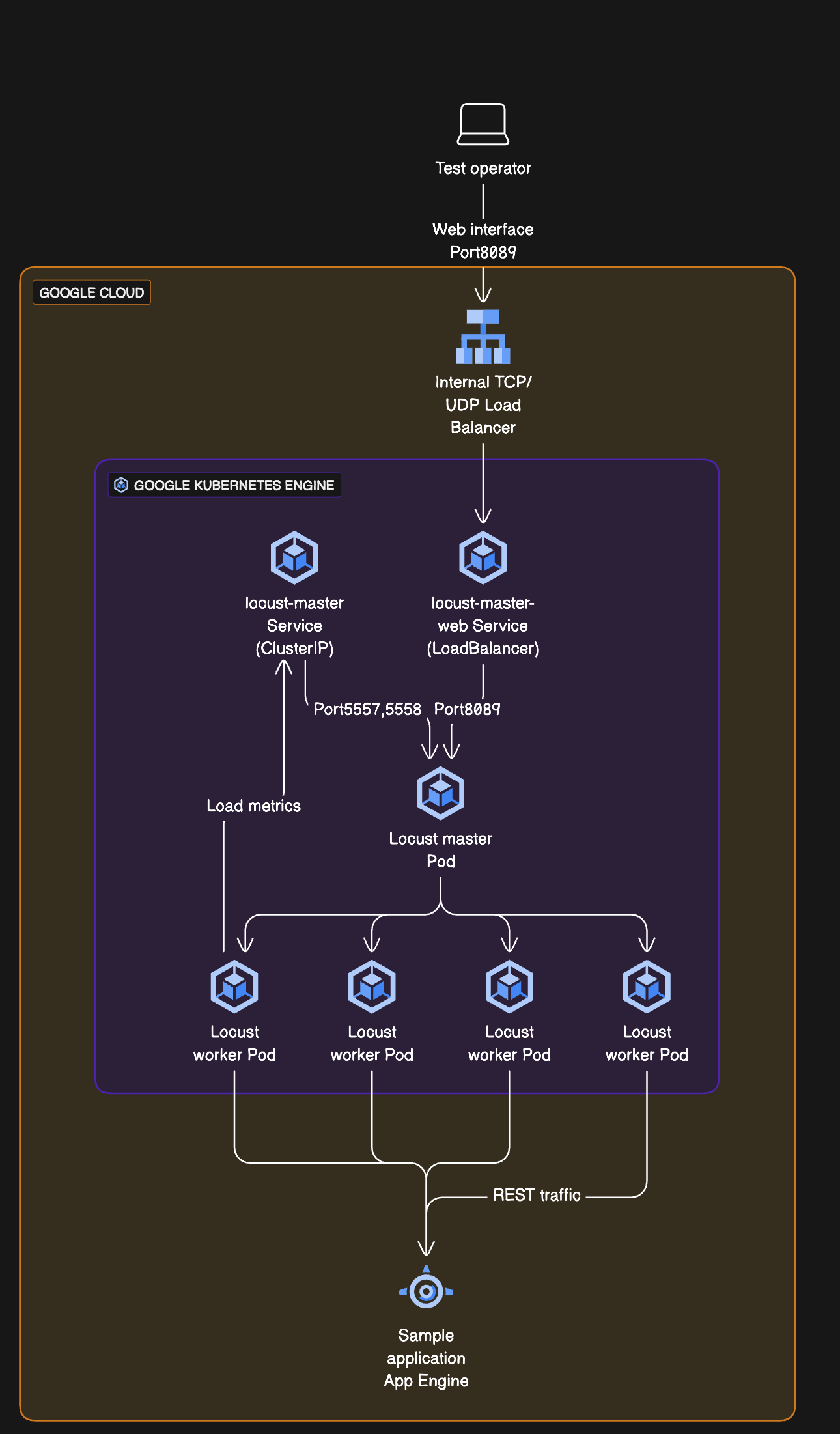
Distributed load testing with Google Kubernetes Engine
Adapt this example to visualize and design your distributed load testing infrastructure using Google Kubernetes Engine.
See you in the canvas
Unlock your team’s collaborative super powers.