Transactional workflows with microservices on Google Cloud
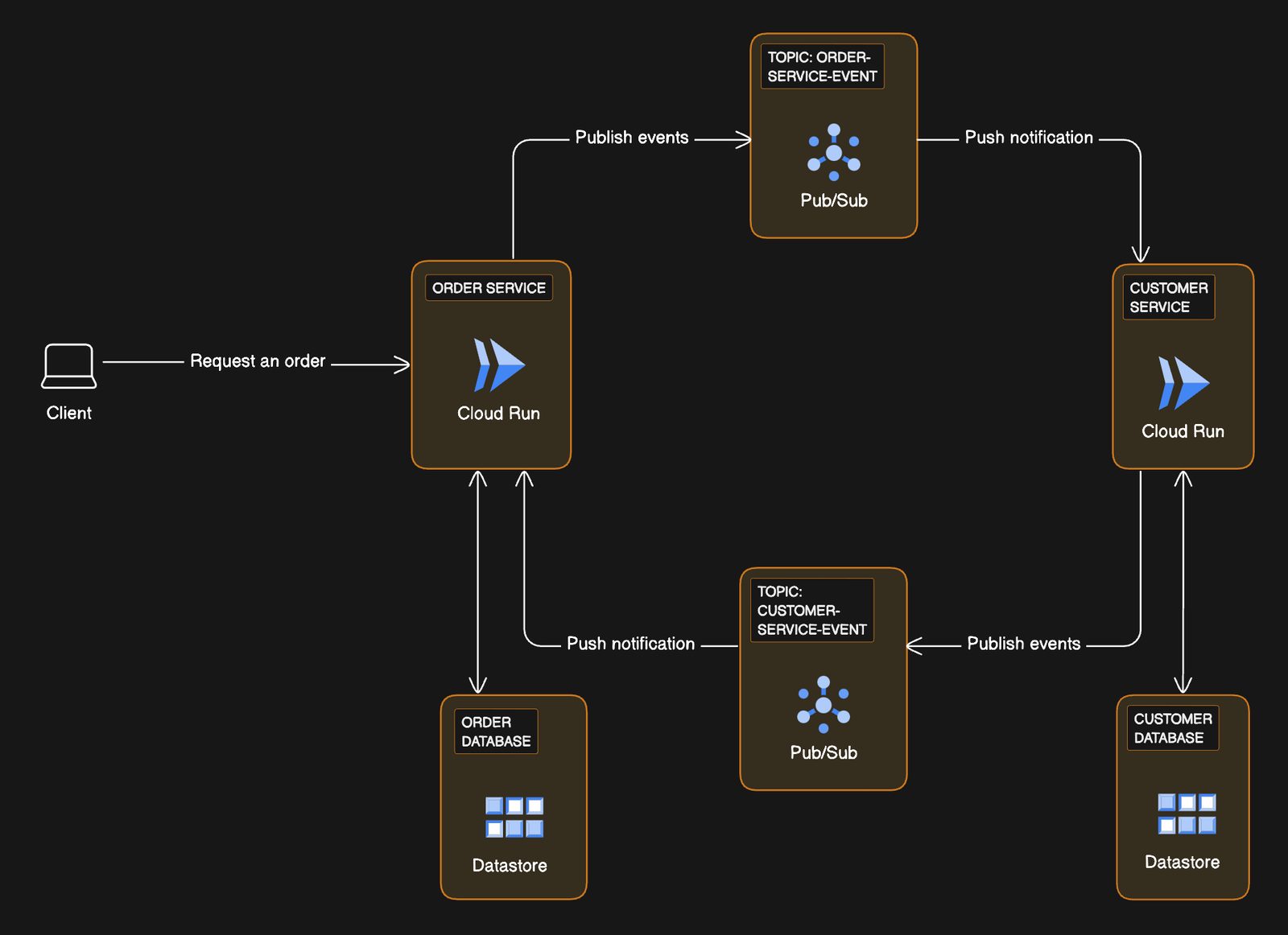
Visualize optimizing your transactional workflow with this event-driven microservices example on Google Cloud.
 Architecture Diagrams
  Cloud Architecture Diagram
  GCP
GCP About this example
Event-driven architectures enhance scalability and decoupling. This diagram includes:
- Microservices orchestrated with Cloud Run: Depicts independent deployment and scalability of services.
- Event-driven communication: Utilizes Pub/Sub for asynchronous messaging between services.
- Distributed data management: Integrates Datastore for robust and scalable order management.
- Centralized notification system: Showcases push notifications, enabling real-time user updates.
When to use
- Building scalable microservices: When developing applications that require independent scaling and robust performance.
- Implementing asynchronous workflows: To enable event-driven processes within your cloud architecture.
- Enhancing user engagement: If you aim to provide immediate feedback to user actions through notifications.
How to use
- Start editing: Create a copy of the example file and engage with the diagram to understand the workflow.
- Customize diagram: Refine service components, communication paths, and data storage solutions using a clear and concise diagramming approach, incorporating well-known symbols for easy recognition.
- Customize layout: Rearrange elements within the diagram to align with your system’s architecture for a clear visualization.
- Collect feedback: Distribute the diagram among your development team to gather insights and feedback, employing the commenting tool for collaborative dialogue and enhancement suggestions.
Related Examples
View all examples →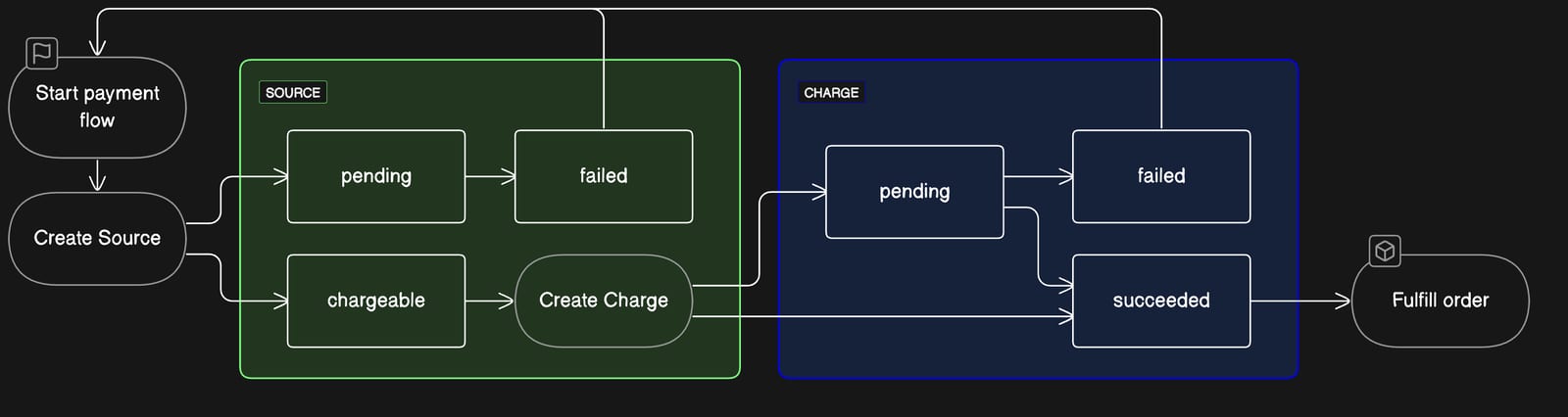
Stripe payment state machine
Streamline your e-commerce transactions with the Stripe Payment State Machine example.
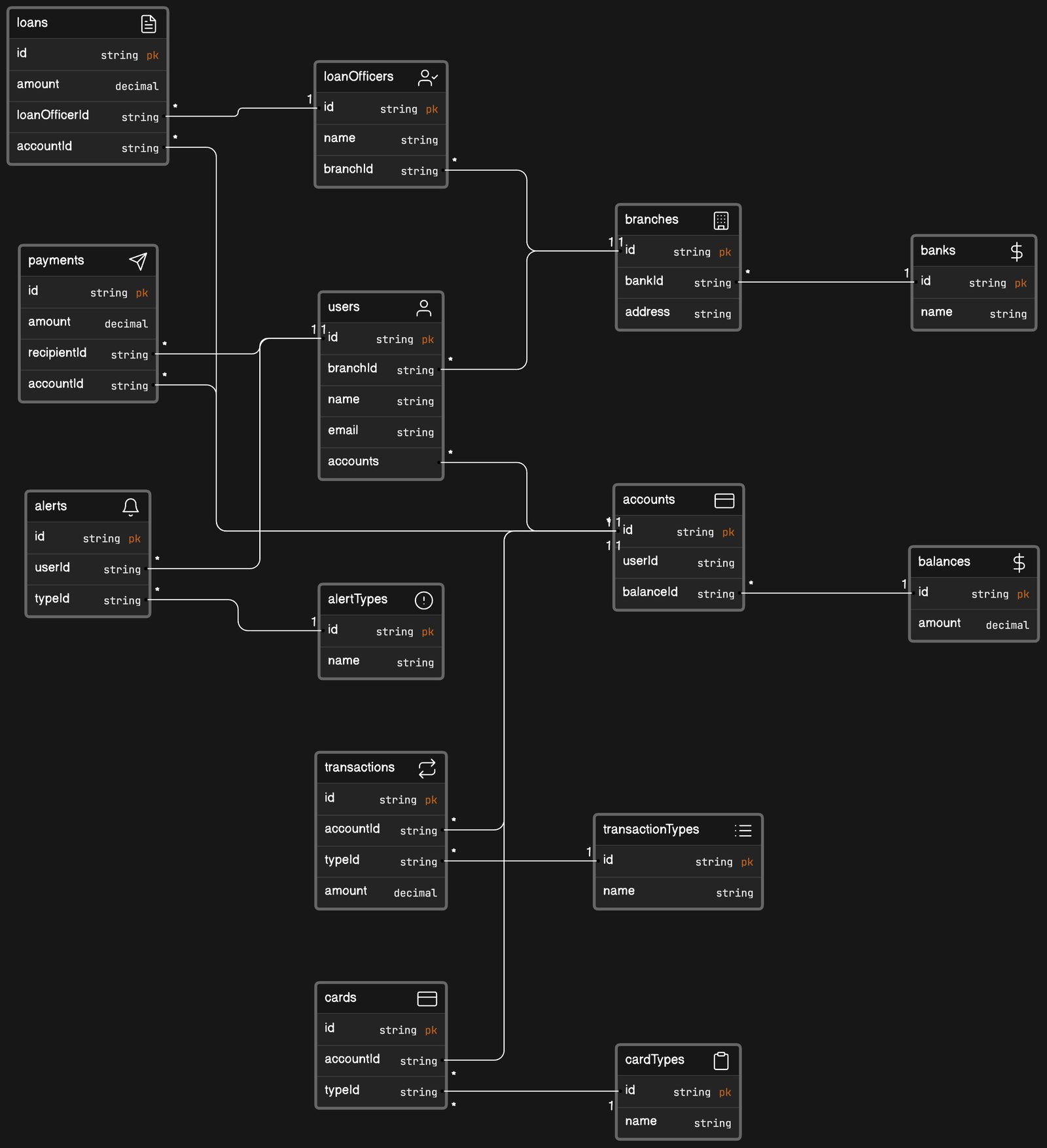
Banking application data model
Visualize the intricate workings of a banking system with the banking application data model example.
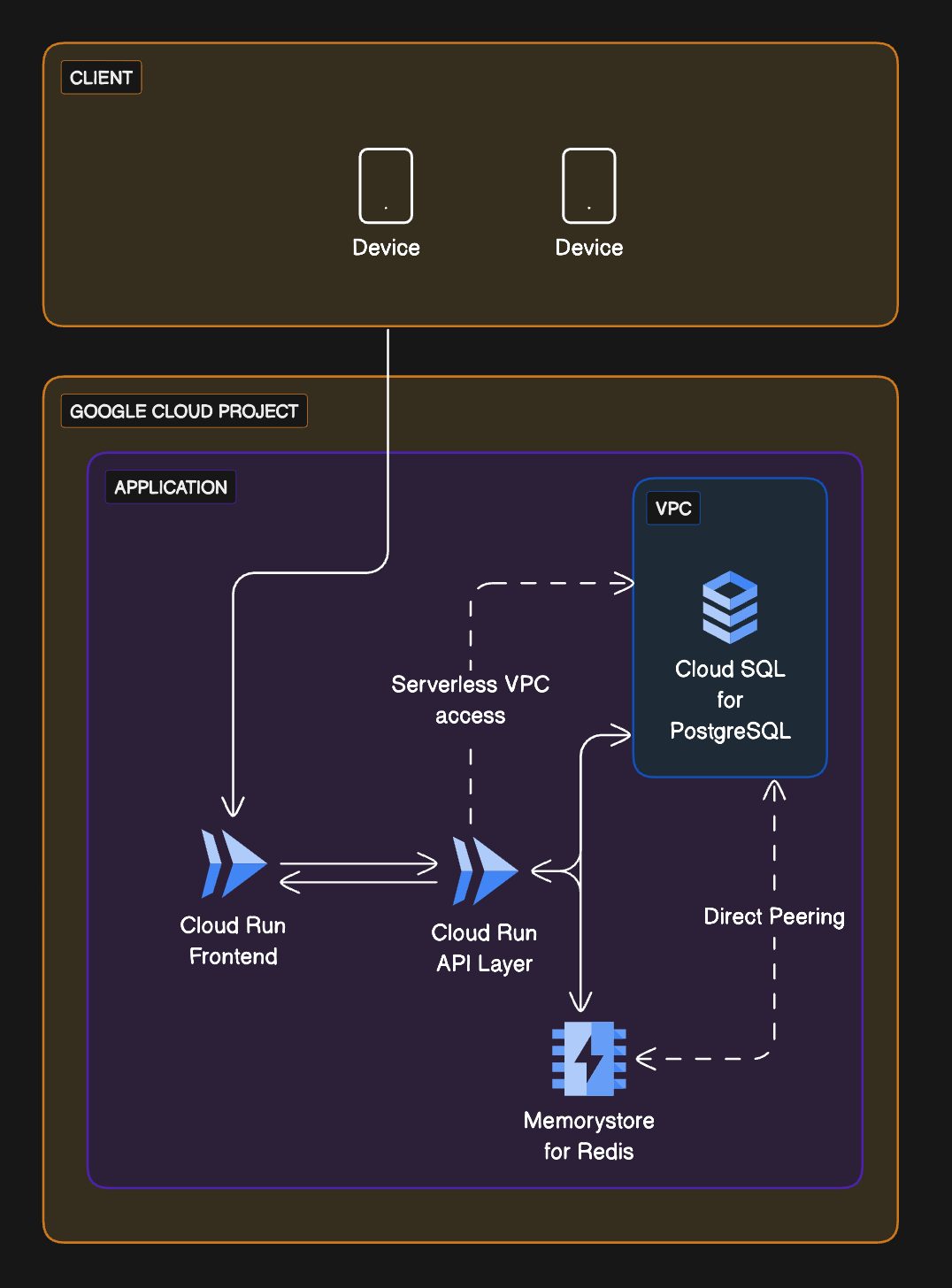
Three-tier web app on Google Cloud
Visualize streamlining your web application infrastructure with this three-tier Google Cloud example.
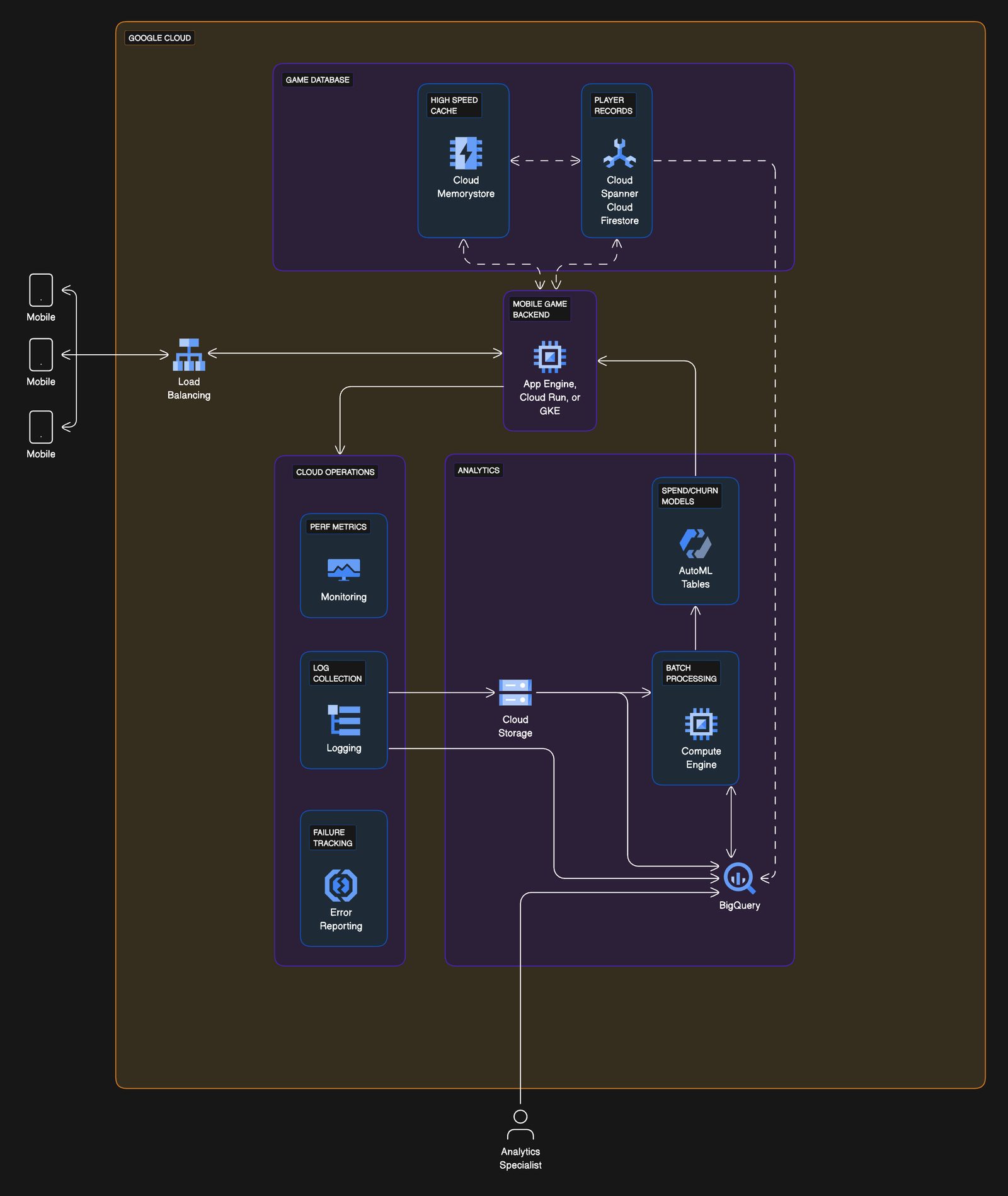
Mobile game architecture on Google Cloud
Visualize the backbone of your mobile gaming app with this Google Cloud architecture example.
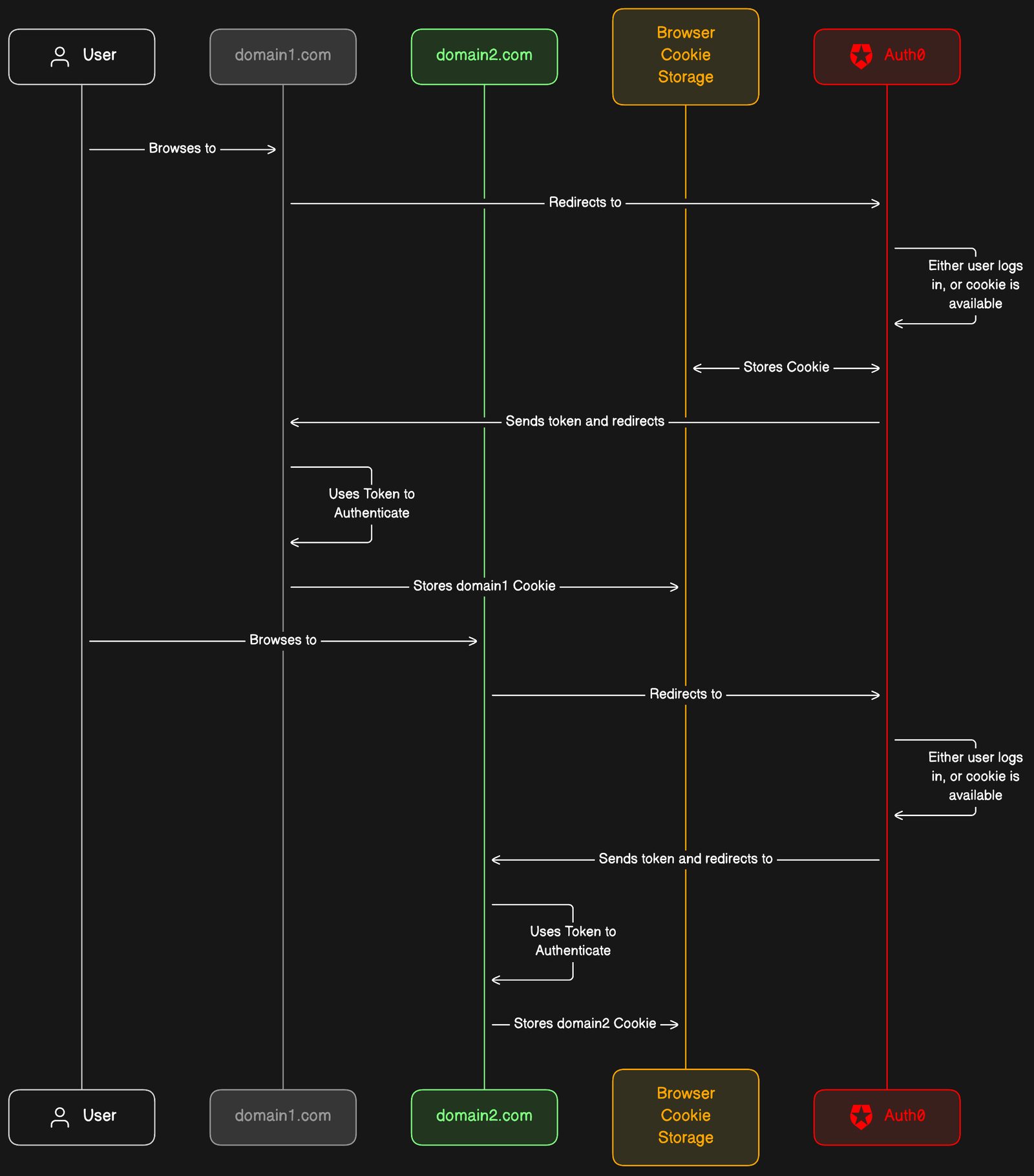
Auth0 SSO
Optimize your cross-domain user authentication experience with the Auth0 integration example.
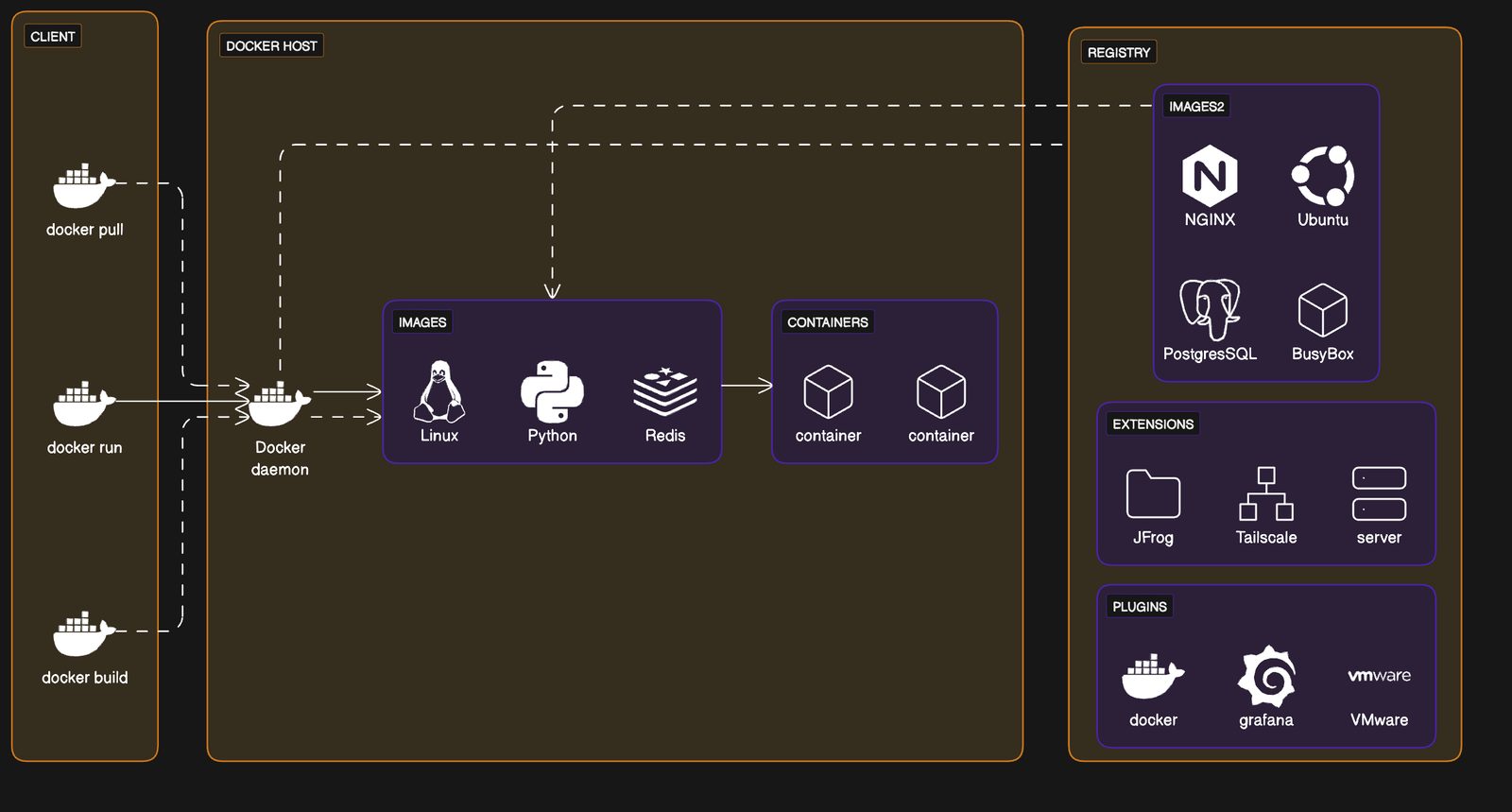
Docker architecture
Streamline your container management with the Docker Architecture example, enhancing your DevOps practices.
See you in the canvas
Unlock your team’s collaborative super powers.